Lesson 04 · Meet the game
How to Build a Practice Hand
Know the difference between a single, pair, pung, kong, quint and sextet, and build original practice groups.
1 · Watch
Video in production
The 4–6 min lesson video is being recorded and reviewed. Read the full script below in the meantime.
2 · Understand
01
Group sizes
Single = 1, Pair = 2, Pung = 3, Kong = 4, Quint = 5, Sextet = 6.
02
Count and jokers are separate checks
Whether a group has the right number of matching tiles and whether a joker may be used in it are two different questions.
03
A valid group is not a win
Building correct practice groups is not the same as matching an official annual hand.
See the six group sizes
These original practice examples show individual groups, not hands from the official card. Read them in order and count the tiles in each group.
Single · 1 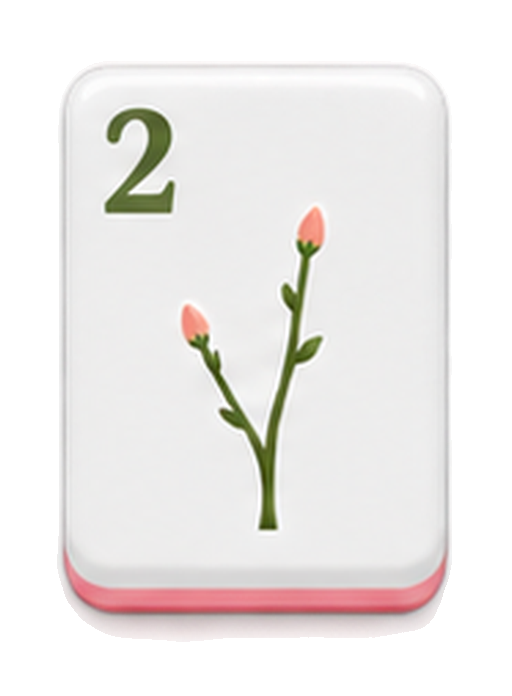
One 2 Bam on its own.
Pair · 2 Two matching 2 Bams.
Pung · 3 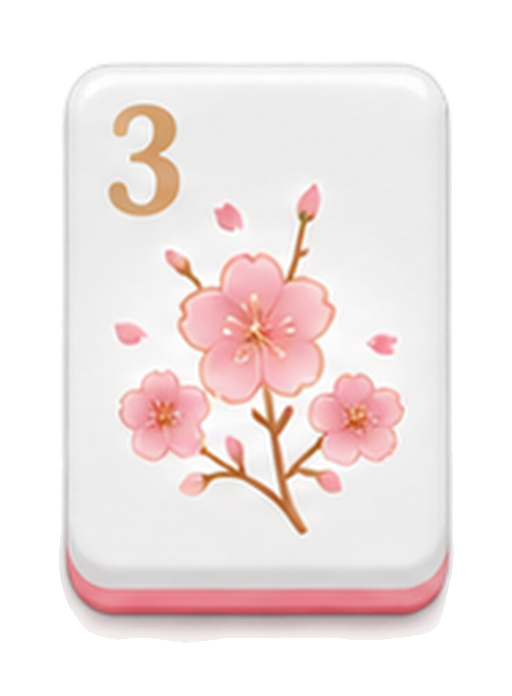
Three matching 3 Dots.
Kong · 4 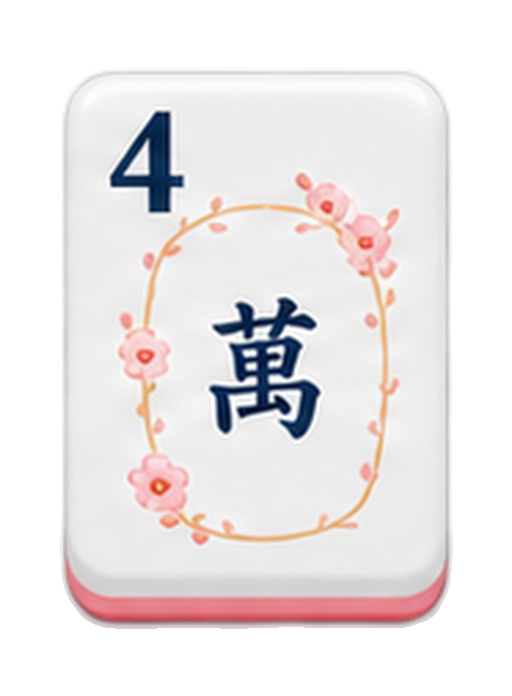
Four matching 4 Craks.
Quint · 5 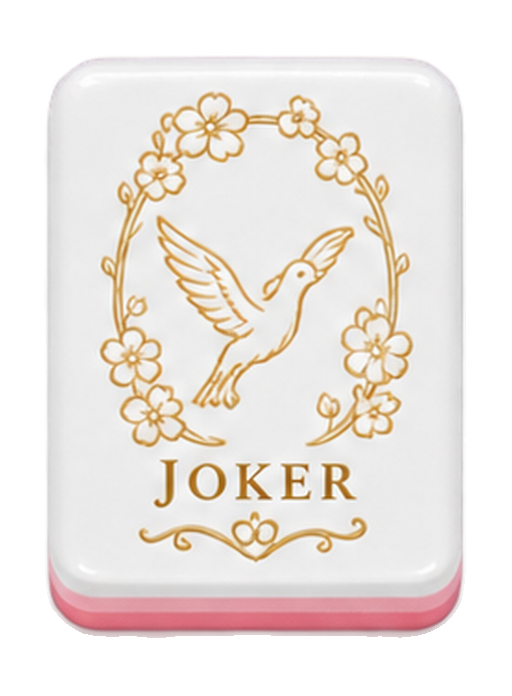
Four 3 Dots and one Joker standing in for a fifth 3 Dot.
Sextet · 6 Four 4 Craks and two Jokers standing in for two more 4 Craks.
Common mistakes
- Putting a joker into a pair.
- Expecting five natural copies of a numbered tile — there are only four.
Rules in this lesson: Group sizes · Where jokers are allowed
3 · Try it
Build a pair, a pung and a kong
Fill each group from the pool. Then try placing a joker in the pair to see why it is rejected.
Original practice pattern — not an official NMJL winning hand
Practice Pattern B
A pair, a pung and a kong — nine tiles. Jokers are in the pool: notice where they are allowed.
Read the line
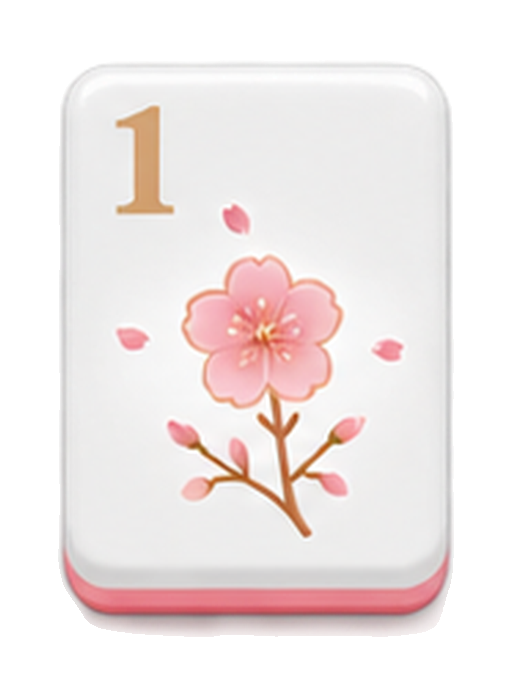
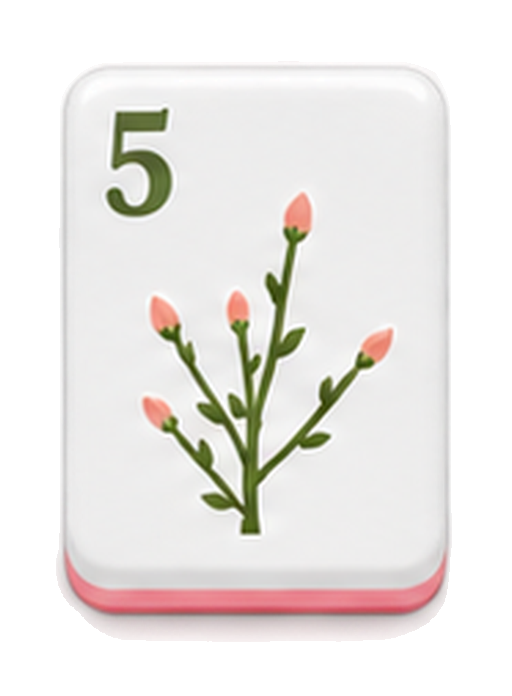
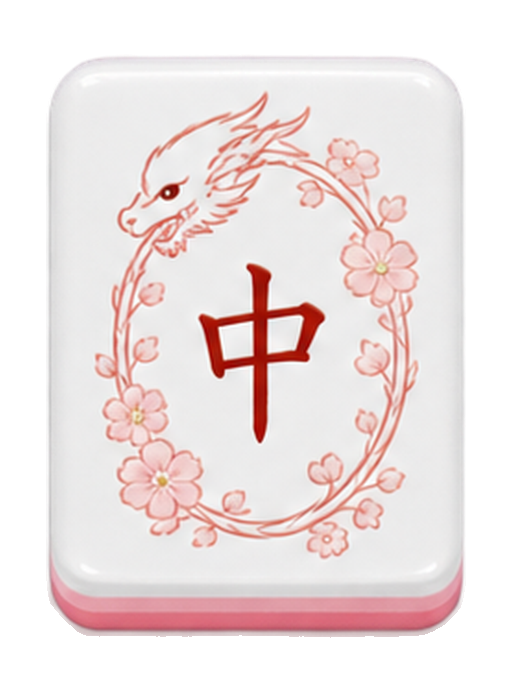
9 tiles · 3 groups · Dots, Bams, Dragons
Groups — choose one, then tap tiles from the pool
Tile pool
Adding to: Pair of 1 Dot
4 · Check
Three quick questions