Lesson 03 · Meet the game
Understanding the NMJL Card
Read the structure of one line: its groups, suits and any concealed instruction.
1 · Watch
Video in production
The 4–6 min lesson video is being recorded and reviewed. Read the full script below in the meantime.
2 · Understand
01
One line is one complete hand
Each line on the annual card describes one complete hand you can aim for.
02
Read in a fixed order
Count the tiles, identify each group (pair, pung, kong or larger), check the suits, then check any instruction such as concealed play.
03
Practice patterns are original
This Academy uses its own practice patterns. They teach the reading method and are not official 2026 hands.
2026 NMJL card
Find a section, then read one line
1
2026
Year digits; a zero is a White Dragon, also called Soap.
2
2468
Even numbers.
3
Any Like Numbers
The same chosen number in different suits, as the line specifies.
4
Quints
Groups of five matching tiles.
5
Consecutive Run
Numbers in sequence. Read how many must be consecutive.
6
13579
Odd numbers.
7
Winds–Dragons
Wind or dragon combinations; some lines also use numbered tiles.
8
369
Combinations built around 3, 6 and 9.
9
Singles and Pairs
Individual tiles and pairs; no Joker can substitute in either.
- Numbers and runs
A number gives the tile rank; repeated digits give the quantity. A run uses consecutive ranks. Read the line's notes to see which numbers can vary.
- Colors and suits
One print color means one suit, two colors mean two suits, and three colors mean three suits. The colors show which groups match or differ; they are not fixed suit names. Read the notes for exceptions and restrictions.
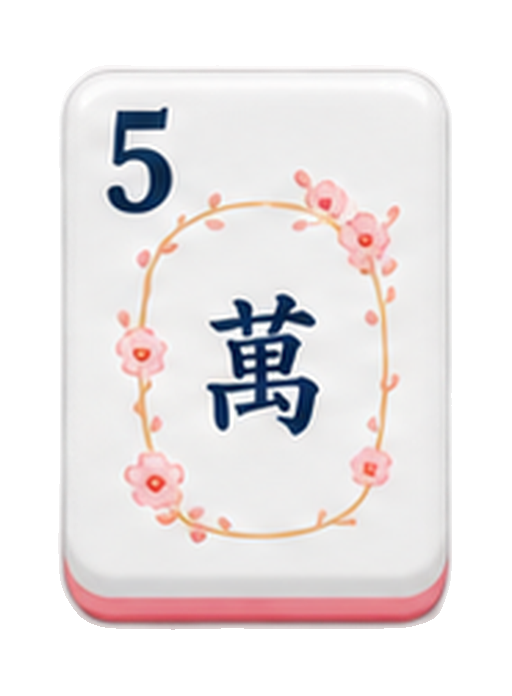
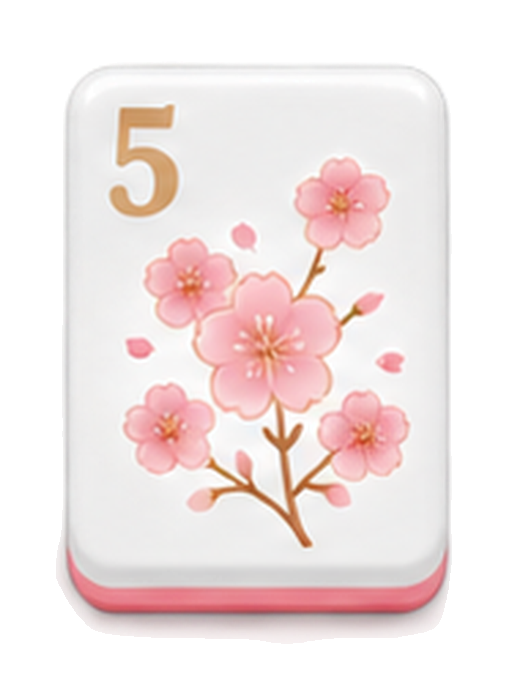
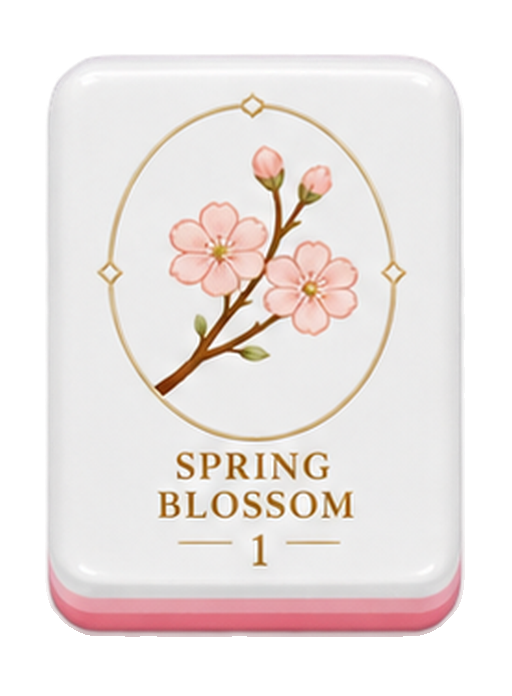
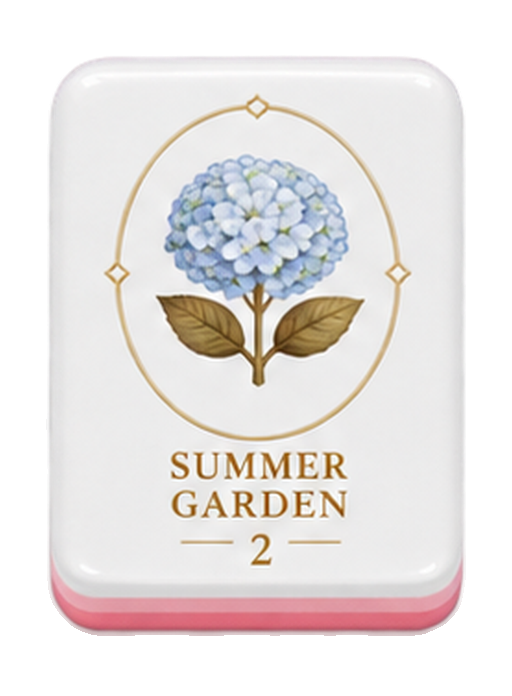
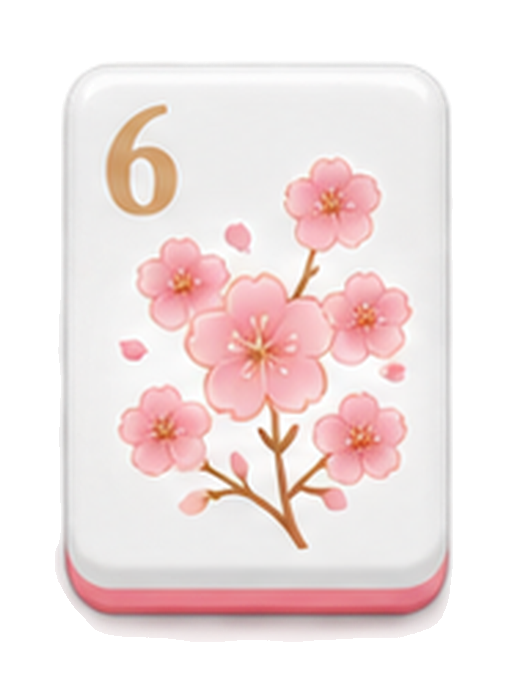
- F · Flower
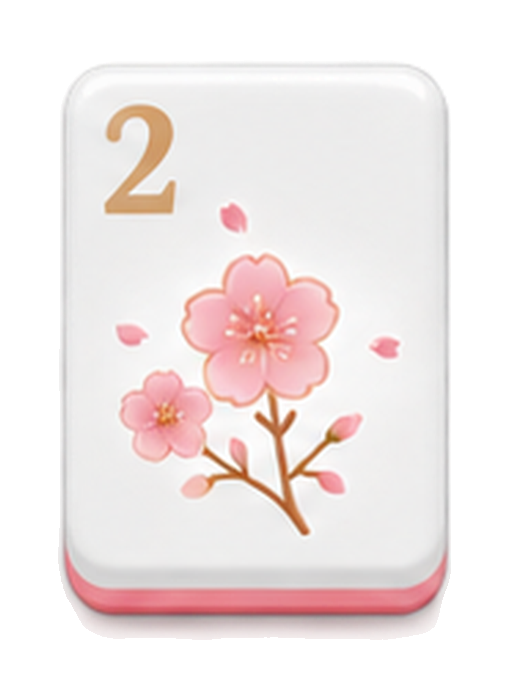
F stands for any Flower. FF requires two Flowers, regardless of the artwork.
- D · Dragon
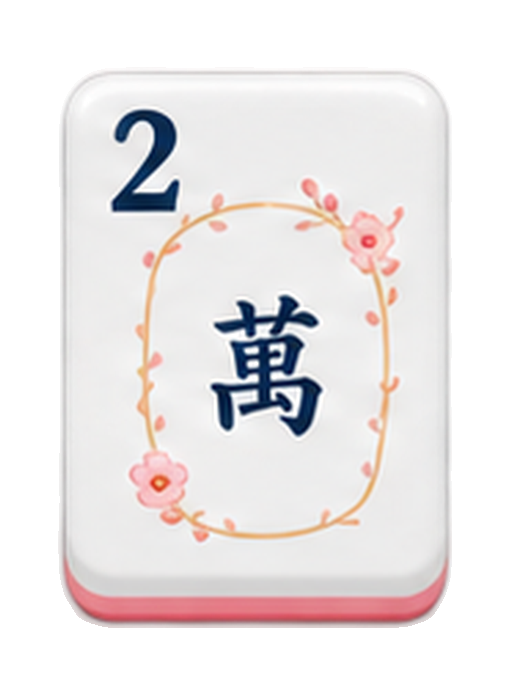
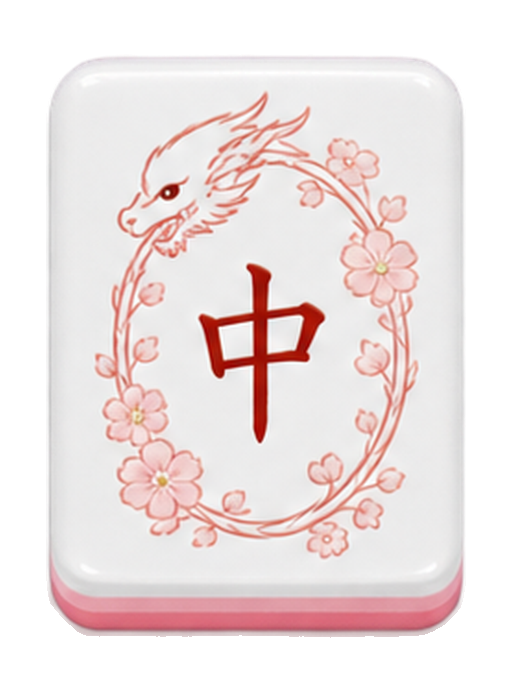
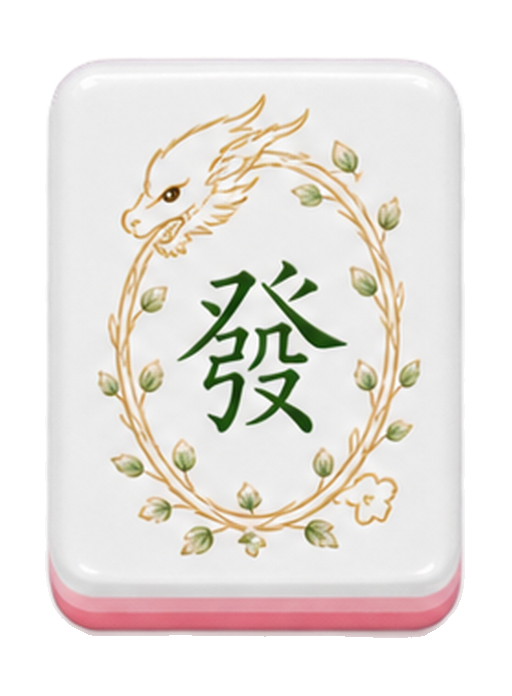
D stands for Dragon. When the line asks for matching dragons, use Red with Craks, Green with Bams, or White (Soap) with Dots. An opposite dragon does not match the numbered suit.
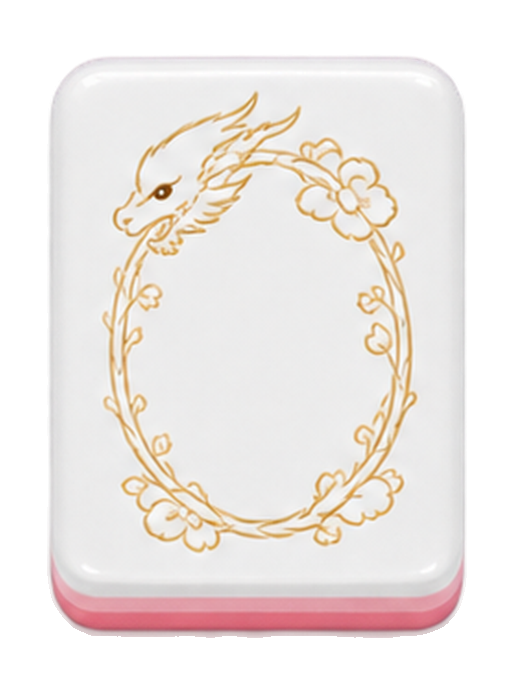
- 0 · White Dragon as zero
A zero is a White Dragon, not a Blank. When used as zero, White Dragon may be used with any suit.
- X / C · Exposure
X means the hand may be exposed; it does not have to be. C means keep the hand concealed before Mahjong. A discard may still be claimed to complete Mahjong.
X → exposure allowed / C → concealed
- Values
The number at the right is the hand's base value, not its tile count. For example, X 40 means an exposable hand with a base value of 40.
X · 40
- Special instructions
‘Or’ separates alternatives: choose one, not parts of both. Parentheses can limit suits, numbers, or matching and opposite dragons. NEWS gives separate wind tiles, not a kong.
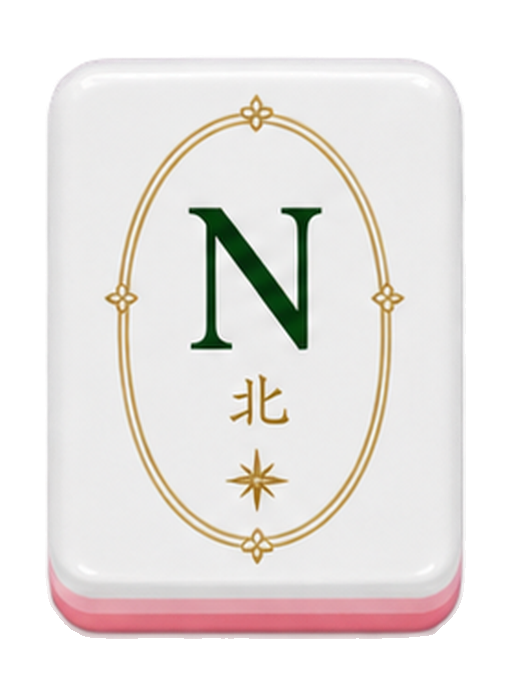
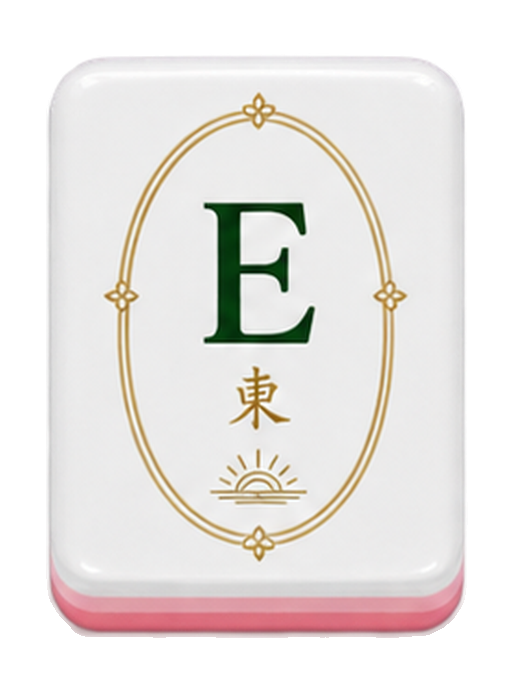
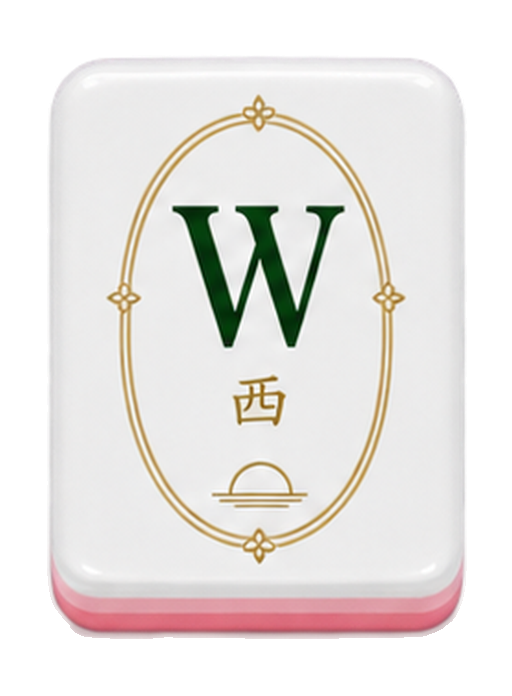
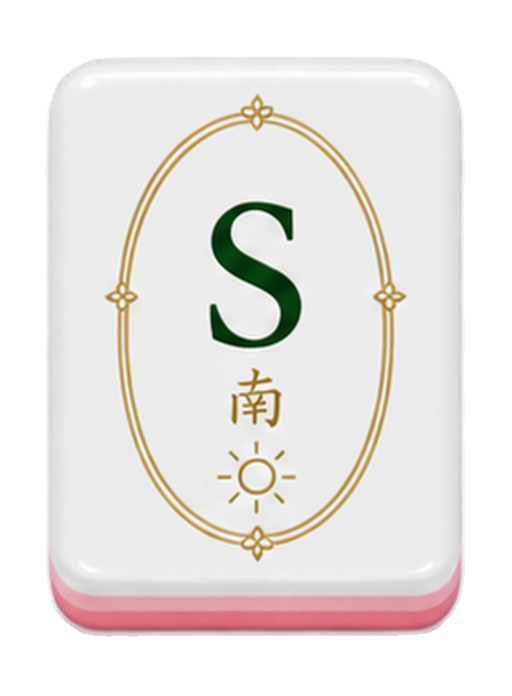
Selected 2026 NMJL card example
Read one line from left to right
Quints · X (Exposable) · Base value 40
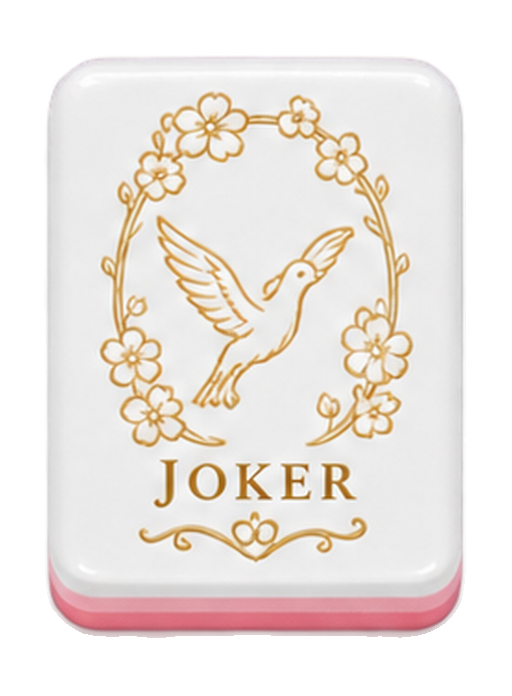
Quint of 5 Bams
Kong of 5 Craks
Quint of 5 Dots
Step 1
Read the group sizes
The selected Quints line has groups of five, four and five. A Joker supplies the fifth tile in each quint.
One quint: four 5 Bams and one Joker Step 2
Check suits, marker and value
The same number is used in three different suits. Here it is 5. X allows exposure; 40 is the base value.
Same number, three suits
One illustrated suit assignment from a selected line. The interactive exercise below is separate practice, not an official hand validator.
Common mistakes
- Only counting tiles and ignoring suit, number, grouping and concealed instructions.
- Treating an Academy practice pattern as a hand from the official card.
Rules in this lesson: The annual card · Group sizes
3 · Try it
Read and build an original practice pattern
Read the line group by group, then fill each group from the tile pool and check it.
Original practice pattern — not an official NMJL winning hand
Practice Pattern A
Four groups, fourteen tiles, three suits. Read it group by group, then build it.
Read the line
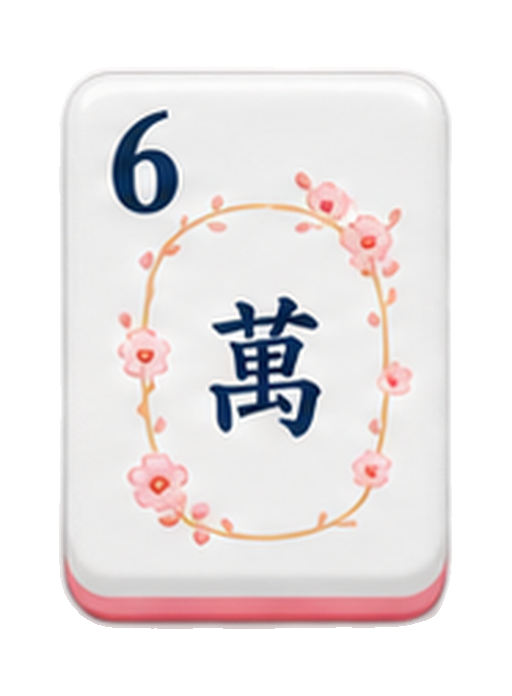
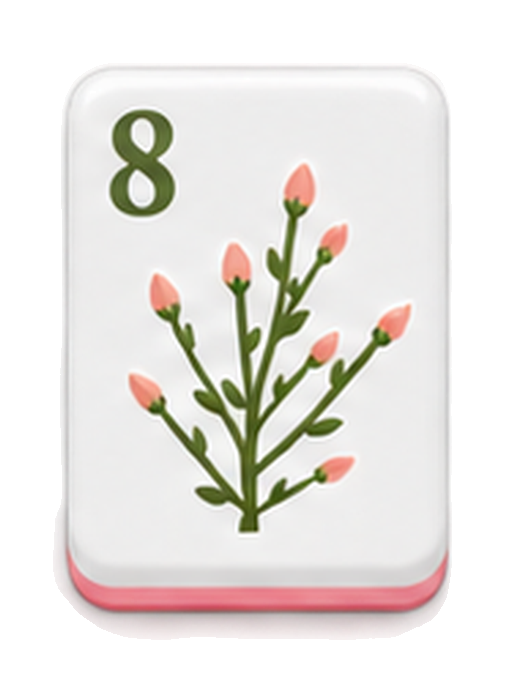
14 tiles · 4 groups · Bams, Dots, Craks
Groups — choose one, then tap tiles from the pool
Tile pool
Adding to: Pung of 2 Bam
4 · Check
Three quick questions